Egypt is a dream destination for many travelers. From the timeless Pyramids of Giza to the vibrant coral reefs of the Red Sea, the country offers an unforgettable mix of history, culture, and natural beauty. However, first-time visitors often make mistakes that can disrupt their experience. Understanding common pitfalls and knowing how to avoid them ensures that your Egypt travel experience is safe, smooth, and truly memorable.
In this article, we explore the top mistakes tourists make in Egypt, practical solutions, and tips for a stress-free trip.
1. Misjudging the Climate and Weather
Common Mistake
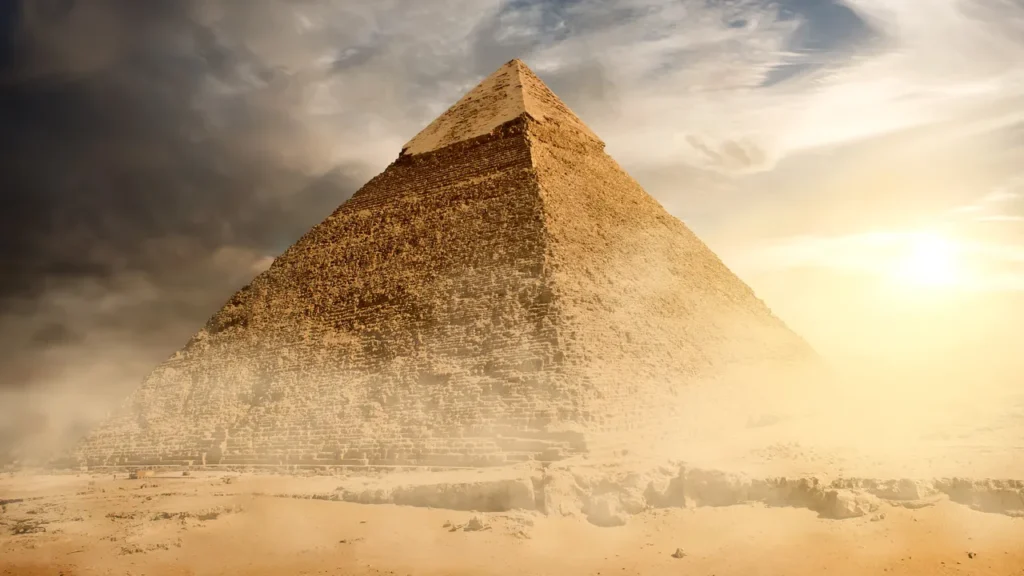
Egypt’s climate is often underestimated by travelers. Many expect mild temperatures year-round, not realizing that:
- Summer temperatures, especially in Luxor and Aswan, can soar above 40°C (104°F).
- Desert areas experience extreme temperature swings – hot during the day and chilly at night.
- Coastal areas, like Hurghada or Sharm El-Sheikh, can be humid and sunny but with occasional sandstorms.
Consequences
Unprepared tourists risk sunburn, dehydration, heat exhaustion, and disrupted travel plans.
Smart Solutions
- Plan your wardrobe: Lightweight, breathable clothing for daytime, and a jacket for cooler evenings.
- Hydration: Always carry water and drink frequently.
- Timing excursions: Visit desert or outdoor sites early morning or late afternoon to avoid peak heat.
- Sun protection: Use sunscreen, sunglasses, and wide-brimmed hats.
2. Dressing Inappropriately for Local Culture
Common Mistake
Egypt is culturally conservative. Tourists, especially from Western countries, sometimes wear revealing clothing, which can attract unwanted attention or make locals uncomfortable.
Consequences
- Stares, catcalling, or disrespectful interactions
- Restricted access to some religious or cultural sites
Smart Solutions
- Respectful clothing: Cover shoulders and knees. Women can wear lightweight scarves to cover hair when visiting mosques.
- Loose and breathable fabrics: Cotton or linen is ideal for hot weather.
- Comfortable footwear: Sandals or closed shoes for walking in sandy or uneven areas.
3. Mismanaging Tipping and Service Expectations
Common Mistake
Tipping, or baksheesh, is customary in Egypt for guides, drivers, hotel staff, and service providers. First-time tourists often under-tip or forget entirely, causing awkward situations.
Consequences
- Perceived rudeness
- Missed local opportunities for better service
Smart Solutions
- Know the standard rates: For example, $1–2 for porters, 10–15% at restaurants, and small amounts for guides or drivers.
- Carry small bills: It’s easier to tip on the spot.
- Check if tips are included: Some tours include gratuities in the package.
4. Ignoring Local Etiquette
Common Mistake
Tourists sometimes behave as if in a hotel bubble, forgetting local customs regarding greetings, gestures, and public behavior.
Consequences
- Offending locals
- Feeling uncomfortable or receiving unwelcome attention
Smart Solutions
- Greetings: A handshake or verbal greeting “Salam Alaikum” is appreciated.
- Photography: Always ask before taking photos of people, especially women.
- Public behavior: Avoid loud or aggressive behavior in markets or religious sites.
5. Falling for Tourist Scams
Common Mistake
Egypt is generally safe, but tourists are a common target for scams, including:
- Overpriced taxi rides
- Fake guides claiming official status
- Selling counterfeit tickets or souvenirs
Consequences
- Financial loss
- Frustration and wasted time
Smart Solutions
- Book through official channels: Hotels, tour agencies, or verified apps.
- Agree on prices in advance: Negotiate taxis, camels, or souvenirs before services.
- Check credentials: Ask for guide IDs and verify their legitimacy.
- Trust instincts: If an offer seems too good to be true, it probably is.
6. Misunderstanding Transport Options
Common Mistake
Many tourists underestimate travel times or the complexity of transport in Egypt. Roads can be congested, and distances between attractions are longer than they appear on maps.
Consequences
- Missed tours or delayed plans
- Fatigue and stress
Smart Solutions
- Private transfers for comfort: Especially for excursions to Luxor, Aswan, or the Pyramids.
- Plan buffer times: Allow extra time for traffic, check-ins, or rest.
- Learn about local options: Uber, Careem, or hotel-arranged transport are reliable.
7. Overpacking and Improper Luggage
Common Mistake
Tourists often overpack or carry heavy luggage, thinking they need everything. Others fail to bring essentials like adapters or sunscreen.
Consequences
- Strain during excursions
- Unnecessary baggage fees
- Missing essential items
Smart Solutions
- Pack light: Focus on essentials and versatile clothing.
- Day bag: Carry water, snacks, sunscreen, a hat, and a camera.
- Essentials checklist: Include power adapters, medications, reusable water bottles, and copies of documents.
8. Expecting Everything to Be Western-Standard
Common Mistake
Many visitors expect all facilities, services, or behaviors to match Western standards in terms of hygiene, timing, and organization.
Consequences
- Disappointment and frustration
- Misunderstandings with staff or guides
Smart Solutions
- Research beforehand: Know what to expect for food, restrooms, or public transport.
- Flexibility: Be patient with delays, queues, or different service styles.
- Open mind: Appreciate the cultural differences rather than judging them.
9. Underestimating the Role of Cash
Common Mistake
Tourists sometimes rely only on cards, assuming they will be accepted everywhere.
Consequences
- Being unable to pay for taxis, small vendors, or local services
- Losing opportunities for spontaneous purchases
Smart Solutions
- Carry local currency (Egyptian pounds): Keep smaller bills for tipping and purchases.
- Use ATMs wisely: Withdraw from bank ATMs rather than street machines.
- Have backup payment options: Cards and a small amount of USD or EUR are useful.
10. Ignoring Health Precautions
Common Mistake
Travelers may underestimate sun exposure, hygiene, or the need for vaccinations.
Consequences
- Heatstroke or dehydration
- Stomach issues from food or water
- Minor illnesses turning into bigger problems
Smart Solutions
- Stay hydrated and use sunscreen
- Eat from trusted sources: Prefer cooked foods or bottled water
- Travel insurance: Include coverage for medical emergencies
11. Misjudging Excursion Duration
Common Mistake
Many tourists underestimate how long visits to temples, museums, or desert trips will take.
Consequences
- Fatigue or rushing through key sites
- Missing subsequent activities
Smart Solutions
- Research estimated duration for each activity
- Plan breaks: Include lunch, snacks, and rest stops
- Avoid packing too many activities in a single day
12. Not Learning Basic Local Phrases
Common Mistake
Assuming English is always understood leads to miscommunications.
Consequences
- Difficulty in asking for directions, negotiating, or understanding guides
- Missed opportunities for friendly interactions
Smart Solutions
- Learn basic Arabic phrases: “Shukran” (thank you), “Salam Alaikum” (hello), “Kam?” (how much?)
- Use translation apps for complex interactions
- Be polite and patient: Locals appreciate effort even if pronunciation is imperfect
13. Skipping Travel Insurance
Common Mistake
Some tourists believe Egypt is safe enough to skip insurance.
Consequences
- Financial burden if medical emergencies, accidents, or cancellations occur
Smart Solutions
- Comprehensive travel insurance: Cover medical emergencies, trip interruptions, and lost belongings
- Keep copies of documents digitally and physically
Summary: Key Takeaways for First-Time Tourists
Avoiding common mistakes transforms your Egypt travel experience from stressful to memorable. The main points:
- Prepare for the weather – stay hydrated, dress appropriately, and plan excursions wisely.
- Respect local culture – clothing, etiquette, and behavior matter.
- Tipping and currency – know local customs and carry cash.
- Plan but stay flexible – combine planned tours with spontaneous discoveries.
- Be aware of scams and transport issues – research, verify, and allow buffer times.
- Health and safety – travel insurance, vaccinations, and food precautions.
FAQ
Q1: Do I need a guide for all excursions in Egypt?
A: Not always, but for historical sites like Luxor or the Pyramids, guides provide context and enrich the experience.
Q2: Is it safe to drink tap water in Egypt?
A: Tap water is not recommended. Always drink bottled or filtered water.
Q3: How much should I tip on excursions?
A: Small tips for guides, drivers, and service staff are customary. Typically $1–5 depending on service.
Q4: When is the best season to visit Egypt?
A: October to April is ideal for comfortable temperatures and outdoor activities.
Q5: Can I rely on taxis for transport in Egypt?
A: Yes, but agree on a fare beforehand or use apps like Uber/Careem in urban areas.
By understanding these common pitfalls and preparing accordingly, first-time travelers can enjoy Egypt excursions without stress and create unforgettable memories that go far beyond hotels and beaches. With the right mindset, planning, and respect for local culture, your trip will be safe, enriching, and truly remarkable.